How toll roads work in South Africa
South Africa has an extensive toll road network managed largely by SANRAL (South African National Roads Agency). These roads help fund maintenance and upgrades while keeping key travel routes fast and well maintained.
Most tolls are still collected at physical toll plazas where you slow down and pay before continuing your journey.
Typical payment options include:
-
credit or debit card (widely accepted)
-
cash payments in South African rand
-
contactless card payments at many booths
If you’re renting a car, check with your provider whether any toll billing options are included, although most visitors simply pay directly at the booth.
What happened to Gauteng e-tolls?
If you’ve read older articles mentioning electronic toll gantries in Gauteng (Johannesburg and Pretoria area), the system has now been discontinued.
The controversial e-toll scheme was officially scrapped in 2024, meaning:
-
you generally won’t need an e-tag when hiring a car
-
no post-trip invoices for Gauteng motorway tolls
-
standard toll plazas remain elsewhere in the country
For most visitors today, toll road use is simpler than it was a few years ago.
Common routes where you’ll encounter tolls
Johannesburg to Kruger National Park
A very popular self-drive route with several toll points along major highways.
Johannesburg to Durban
One of South Africa’s busiest long-distance routes with multiple toll plazas but excellent road quality.
Cape Town regional motorways
Some routes leaving or entering the city include toll sections, particularly on longer intercity drives.
Durban to Eastern Cape routes
Well maintained highways with occasional toll stops.
If you’re collecting a rental car from OR Tambo International Airport or Cape Town Airport, it’s quite normal to encounter tolls shortly after leaving the airport area.
Why using toll roads often makes sense
For car hire travellers especially, toll roads usually offer clear advantages:
-
faster travel times on major routes
-
better maintained road surfaces
-
clearer signage and navigation
-
generally safer and more predictable driving conditions
Trying to avoid tolls rarely saves much money and can significantly increase travel time.
Car hire tips for toll roads in South Africa
A few practical tips if you’re renting a vehicle:
-
keep a payment card handy for toll booths
-
allow small change if paying cash
-
confirm with your rental company how tolls are handled
-
plan fuel stops on longer highway drives
-
stick to major routes unless you know the area well
Navigation apps like Google Maps or Waze usually flag toll roads in advance.
Typical toll costs
Toll charges vary by route but are generally modest by international standards. A longer intercity drive might involve several tolls adding up to the equivalent of a few pounds.
Costs change periodically, so it’s best to treat them as a normal part of travel rather than budgeting exact amounts in advance.
Hiring a car in South Africa
Having your own rental car is one of the best ways to experience South Africa properly. From coastal drives and wine regions to wildlife reserves and vibrant cities, driving gives you flexibility that organised tours simply can’t match.
If you’re planning a trip, you may also find useful:
Car Hire South Africa → /car-hire-south-africa/
Johannesburg Airport Car Hire → /car-hire-or-tambo-airport/
Cape Town Car Hire → /car-hire-cape-town/
Final thoughts
Toll roads in South Africa are easy to use, generally good value, and often the most convenient way to travel between major destinations. For car hire visitors, a little preparation goes a long way — keep payment handy, follow main routes, and enjoy the drive.
South Africa is a fantastic country for road trips, and the toll network helps make those journeys smoother.
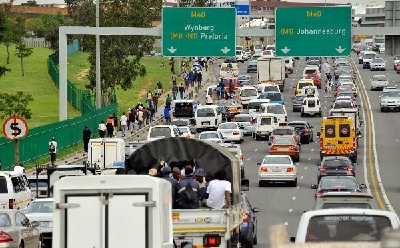
To
ll road to Johannesburg