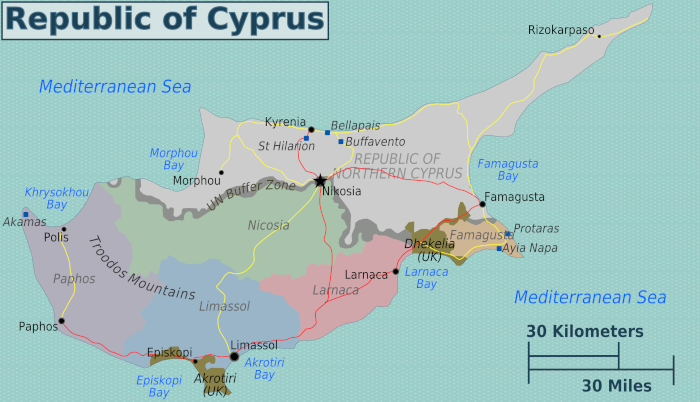
Nothing sums up the futility of the Cyprus conflict quite like the ghost town of Varosha in Famagusta. Located on the east coast of Cyprus, the city of Famagusta has had a long and remarkable cultural heritage but now lies abandoned following the 1974 Turkish invasion of the island.
Famagusta is just one of the many casualties from the as-yet-unresolved-war which tore Cyprus in half and left it divided between north and south. Today buildings which were to be constructed in Famagusta remain unbuilt, while various clothes in the fashions of the time still sit in the fashion stores unbought. Unmade beds and uneaten breakfasts have been preserved in time, but the citizens of Famagusta did not allow themselves to become paralysed by the headlights of the Turkish tanks. As the army approached they fled, leaving the city in a strange state of flux.
Arriving three years after the invasion, it was the Swedish journalist Jan-Olof Bengtsson who made the definitive report on the fate of Famagusta and Varosha. He wrote for the newspaper Kvallsposten about his visit to the Swedish UN battalion at the port of Famagusta on September 24, 1977, stating: “The asphalt on the roads has cracked in the warm sun and along the sidewalks bushes are growing. “Today – September 1977 – the breakfast tables are still set, the laundry still hanging and the lamps still burning. Varosha is a ghost town.”
Aggression has long been the emotion which has shaped Famagusta’s destiny. The city was fought over for years because of its geographical position. A deep port was welcoming for vessels arriving from the Mediterranean Sea and Famagusta became of great strategic importance for traders from Europe and the Middle East. Before the 1974 invasion Famagusta dealt with almost 90% of trade which came through the island of Cyprus.
Famagusta is furthermore one of the most fertile areas of Cyprus with its rich red soils being the ideal place for farmers to cultivate a number of crops. Despite this, the name Famagusta was the Latin translation of the original Greek name Ammochostos – meaning buried in sand.
When Acre in Palestine fell to the Egyptians in 1291, Christians fled to Famagusta. It was this Diaspora which changed Famagusta from being a small fishing village into one of the richest communities in Christendom. In the 13th century Famagusta was a great commercial trading hub which was fought over by the Genoese (who took the port in 1372) and the Venetians (who gained control in 1489). Both the Genoese and the Venetians built further on the city’s original impressive fortifications which had been constructed by the Byzantines and the Lusignans.
The Genoese and the Venetians made Famagusta incredibly prosperous, so much so that it was said that ordinary merchant’s daughters wore finer jewels than the kings of Europe at the time. The other symbol of their wealth was the many churches which were built, leading Famagusta to be known as the district of churches.
However, the rivalry between these two peoples led to the city’s decline, much as the emnity between the Turkish and the Greek Cypriots threatens to put a complete end to Famagusta’s illustrious place in history. It is not the first time that the Turkish have acted on their intentions towards Famagusta, which they had captured before in 1571 following an 11 month siege. At that time it was the Christian inhabitants of the city who were forced out of the main city of Famagusta. This expulsion led them to form their own suburb, which is still known as Varosha. As the two Cypriot communities search for an end to their differences, Famagusta is being used as a bargaining chip in the settlement.
In 2004, following the rejection of a proposal known as the Annan Plan to reunify Cyprus, the Famagusta Refugee Movement (FRM) formulated and circulated a proposal calling for the return of the sealed-off section of the city to its rightful owners. They maintained that this could be done without too much difficulty as no-one has lived in Famagusta since that fateful day in 1974. Zaharias Spyridonos, who used to be vice president of the FRM which no longer exists, said: “There are endless discussions about Famagusta with no result.
“It is frustrating and disappointing. One side blames the other and we don’t know who to turn to. We are left in limbo.
“The longer Famagusta is deserted the harder it will be to live there again. Many of the buildings are ruined and there is no water supply or any communications.
“The Famagusta refugees were young when we left but now we are getting old. It is a tragedy.”
Famagusta and the old tourist quarter of Varosha have become a symbol of the Cyprus conflict and the inability to resolve it. And the people who once lived there will remain haunted by the past until the matter is addressed.
Why is Famagusta known as a ‘ghost town’?
Varosha, a suburb of Famagusta was once a popular tourist destination on the East Coast of Cyprus, however on 20th July 1974 the Turkish invaded and its occupants fled. The Turkish Military fenced off the area and it became a deserted and abandoned town. For a long time after remnants of the town’s former life could still be seen through the windows of the houses; tables were still laid, possessions still scattered around. It is for this reason that Famagusta became known as a ‘ghost town’.
Can I take a hire car from South to North Cyprus?
If you have hired a car in the south of Cyprus it is not normally possible to cross to the north of the border. It is always advisable to check with your rental agent at the time of booking, as some rental companies have different terms and conditions in relation to this. If you hire a car in the north of Cyprus you are not allowed to drive it into the South, if you are driving your own car it is possible to drive between borders, providing you show the required paper work. You will also need to pay for insurance.
Since 2003 the borders between North and South Cyprus have been opened, meaning you can travel across the whole of the island. You will need to show your passport at the border.
Famagusta then and now
Famagusta was once a thriving holiday destination of turquoise seas and pale sandy beaches, and particularly popular with British tourists in the seventies.
Today the beaches are deserted and surrounded with barbed wire; houses, shops and businesses lie derelict. The city is now a ghost town.
The divided island of Cyprus: Did you know?
- Cyprus is the world’s only Island divided into two parts
- In 1963, 11 years of violence between Greek Cypriots and Turkish Cypriots started
- In 1974 Turkey invaded the north and Cyprus became divided
- The Turkish Military prevented anyone other than the military from entering
- Varosha in the north was once a popular and exclusive tourist destination; it is now an abandoned ghost town
- The occupation by Turkish forces is classed as illegal in EU law
- The northern part of the Island is inhabited by one third Turkish Cypriots, the southern part of the island is inhabited by two thirds Greek Cypriots
- Billions of pounds worth of property has been left behind since the invasion
- Peace talks between the two sides are on-going but un-resolved
- The future may include a federal EU member state with a revolving Greek and Turkish presidency.
Pictures taken in November 2008. (Camera time was not set!)
Also some pictures of Fort Bravo, just outside of the fenced off area. Not sure what it is, looks like an old military base.
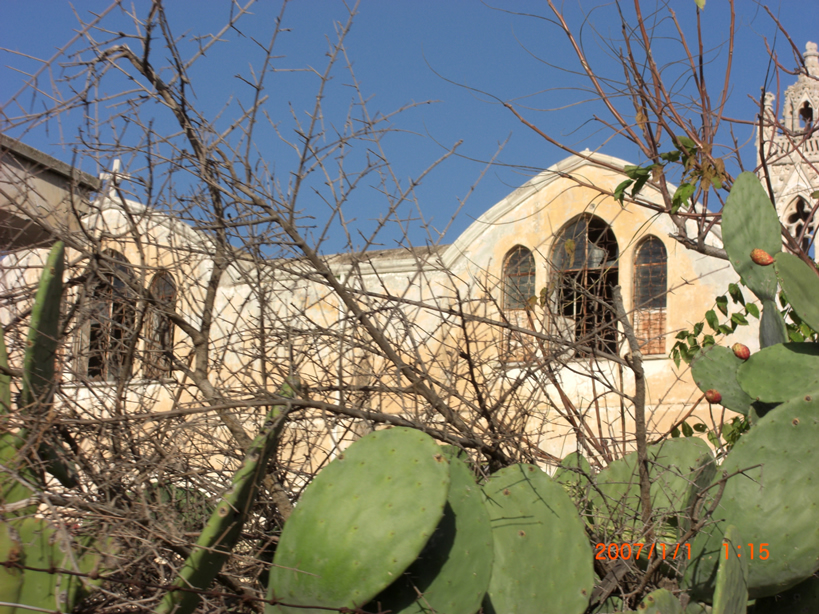 Behind Church Famagusta Cyprus Behind Church Famagusta Cyprus |
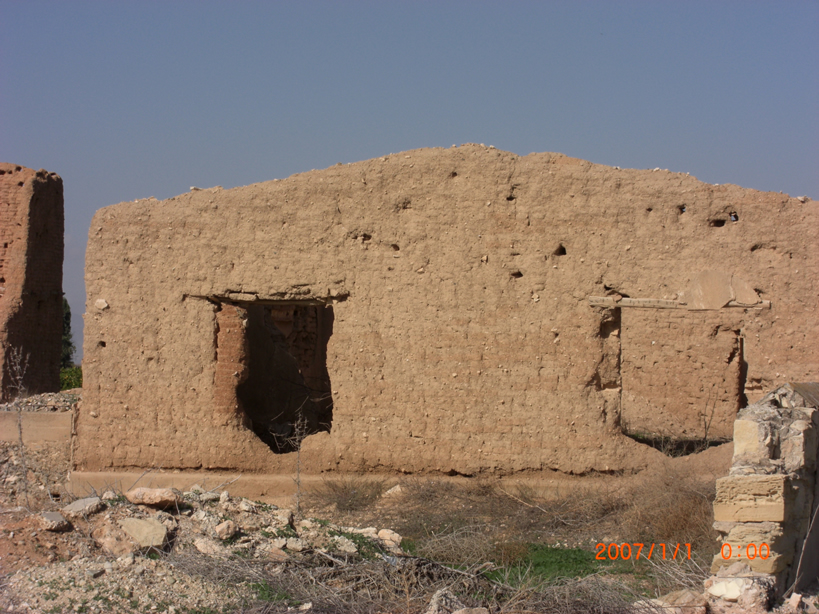 House Built with Mud House Built with Mud |
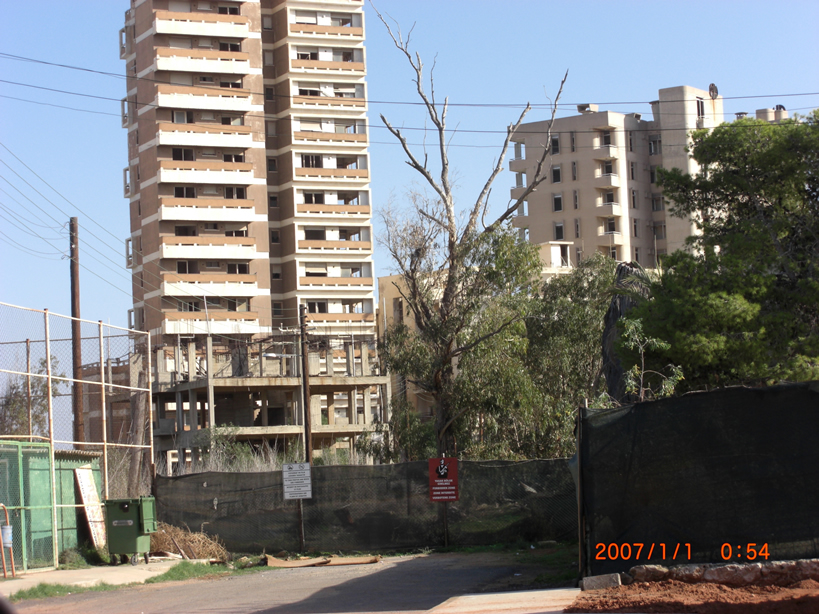 Bombed Building In Varosha Bombed Building In Varosha |
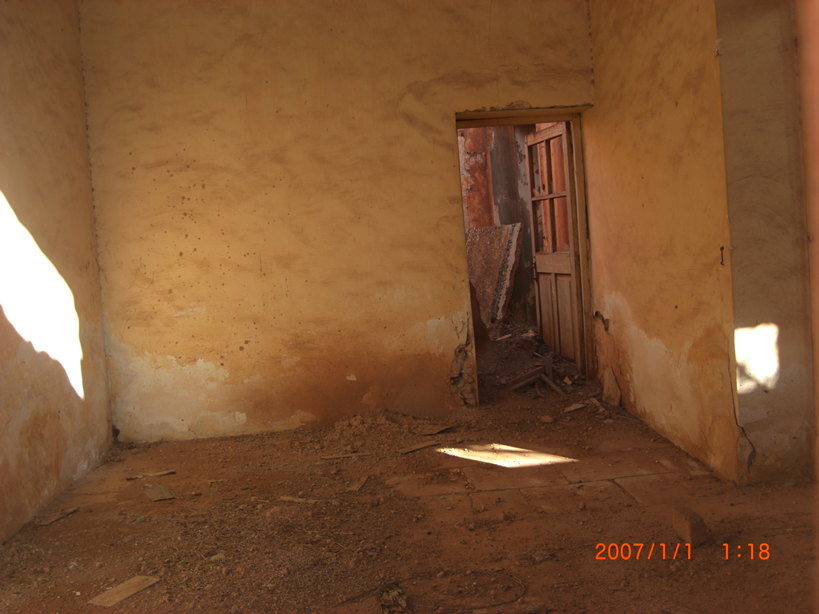 Inside Building in Varosha Inside Building in Varosha |
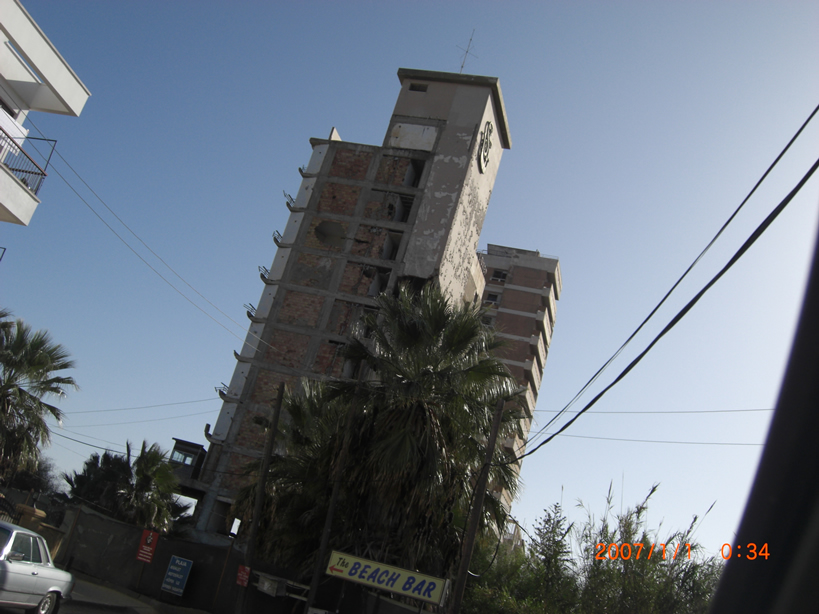 Bombed out Hotel Famagusta Bombed out Hotel Famagusta |
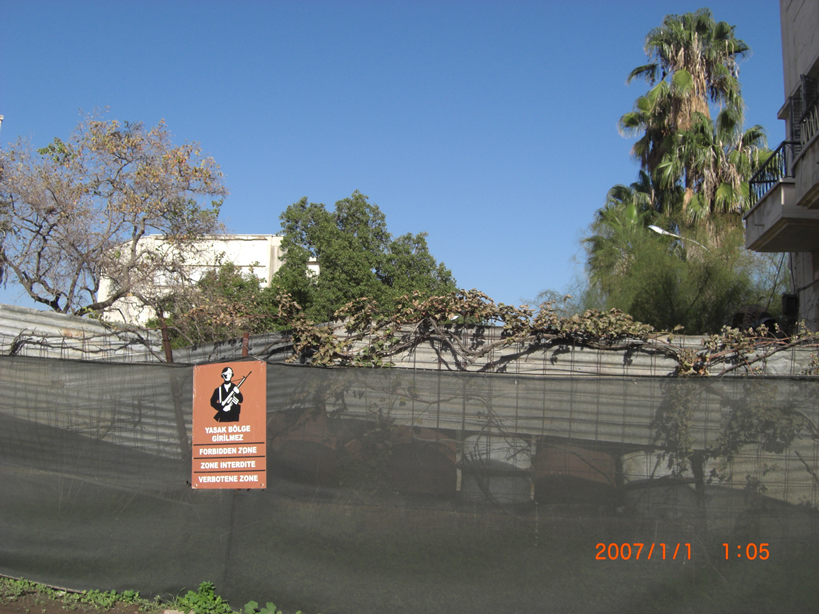 Keep Out Or Be Shot Keep Out Or Be Shot |
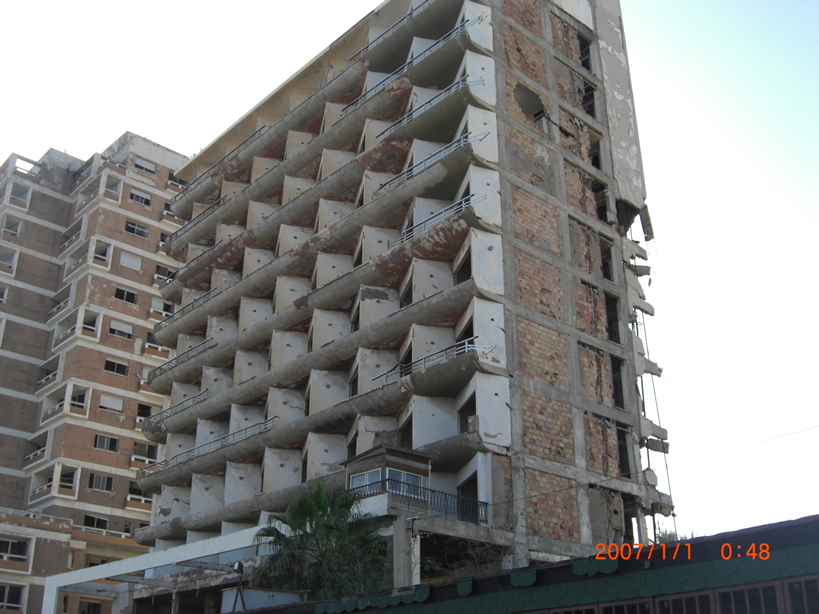 Bombed out Hotel Famagusta 1 Bombed out Hotel Famagusta 1 |
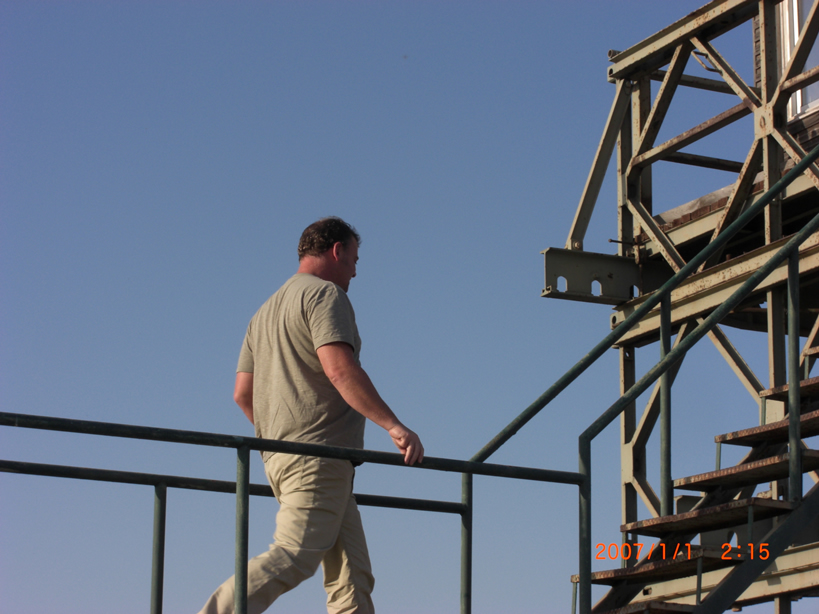 Look Out Tower Fort Bravo Look Out Tower Fort Bravo |
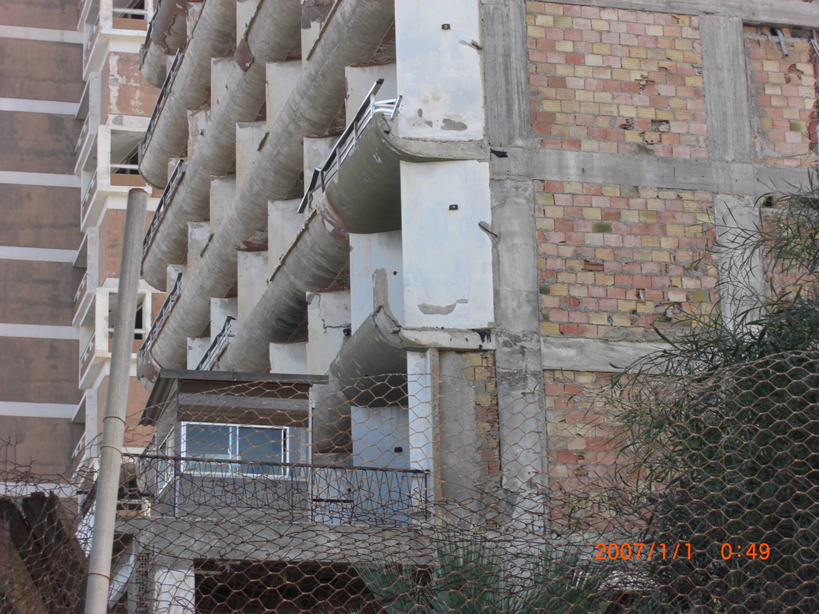 Bombed out Hotel Famagusta 2 Bombed out Hotel Famagusta 2 |
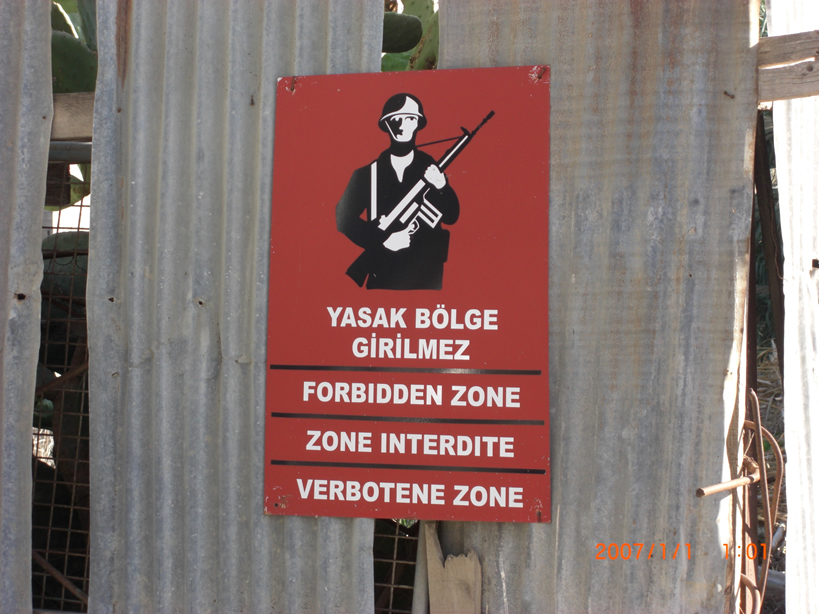 More no Photos Allowed More no Photos Allowed |
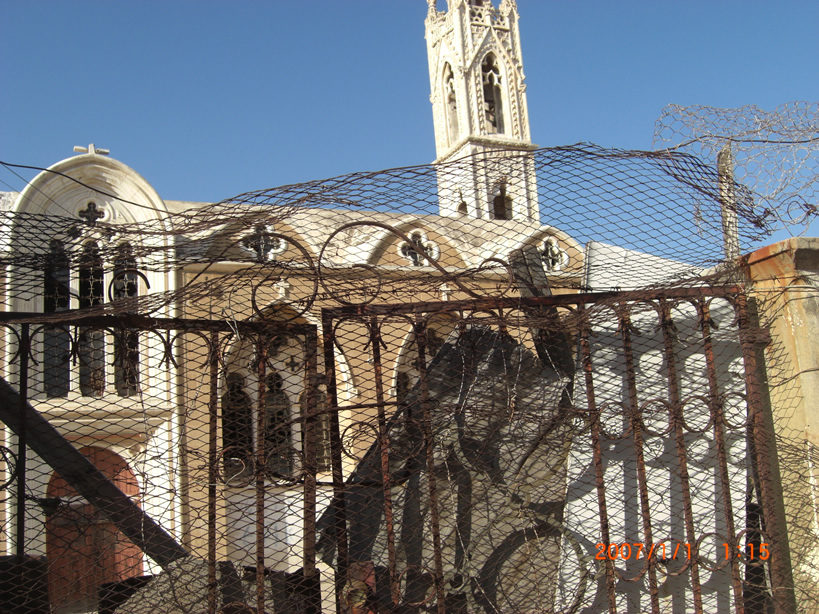 Church Cyprus Ghost Town Church Cyprus Ghost Town |
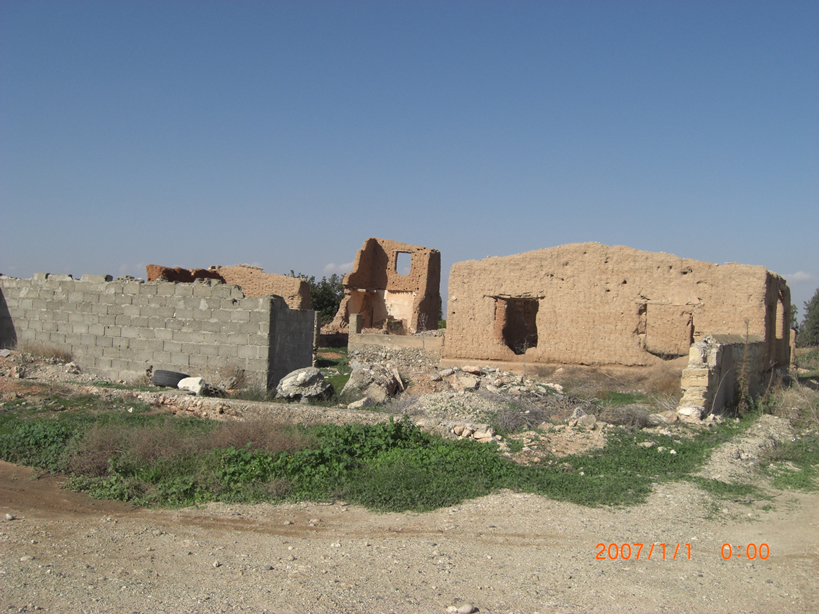 Mud House Varosha Cyprus Mud House Varosha Cyprus |
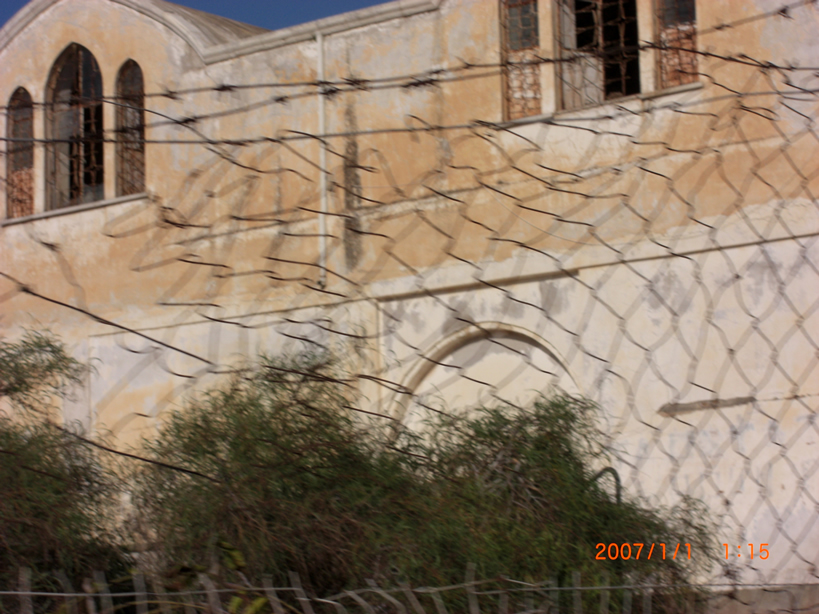 Church Famagusta Ghost Town Church Famagusta Ghost Town |
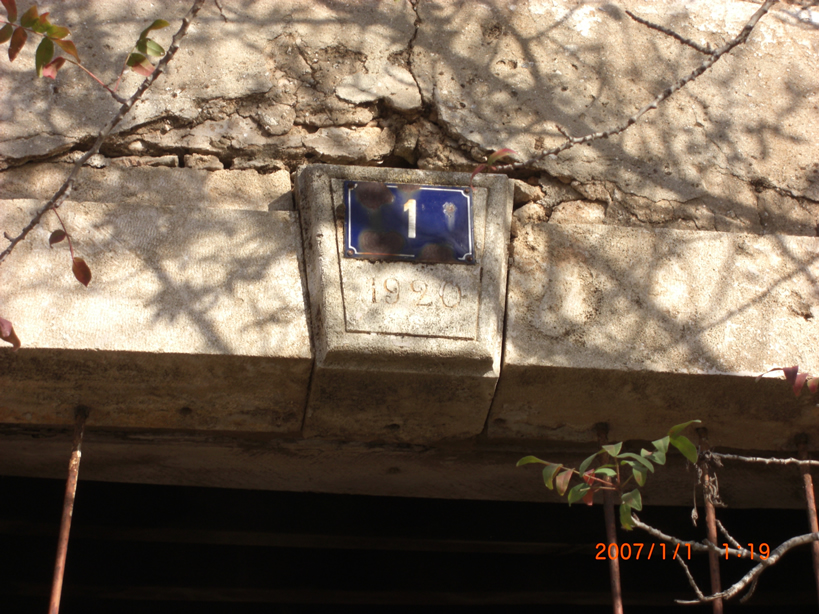 No 1 House Built 1920 No 1 House Built 1920 |
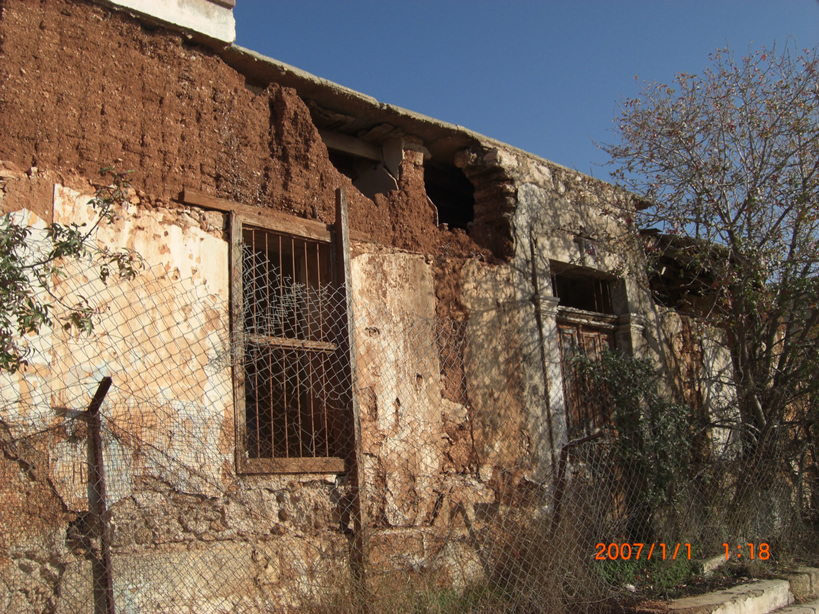 Derelict Building Varosha Derelict Building Varosha |
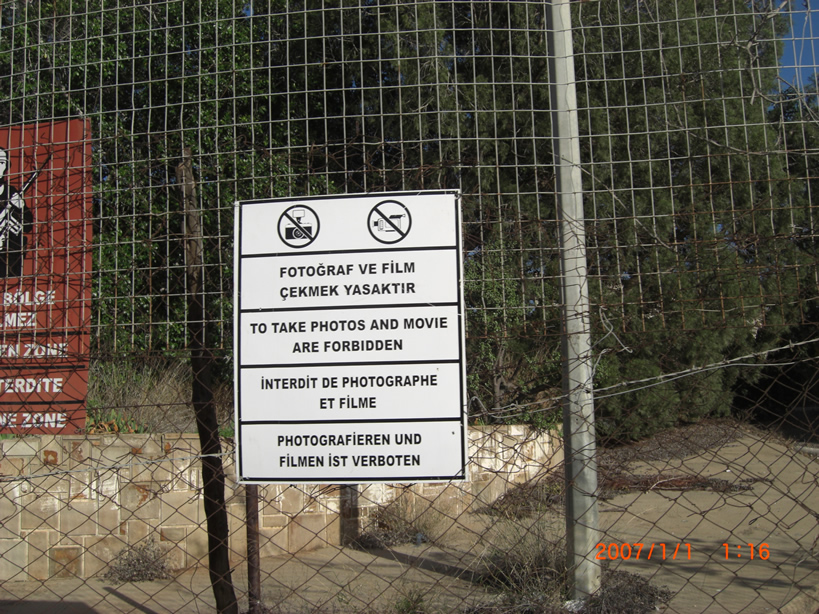 No Photos Famagusta Cyprus No Photos Famagusta Cyprus |
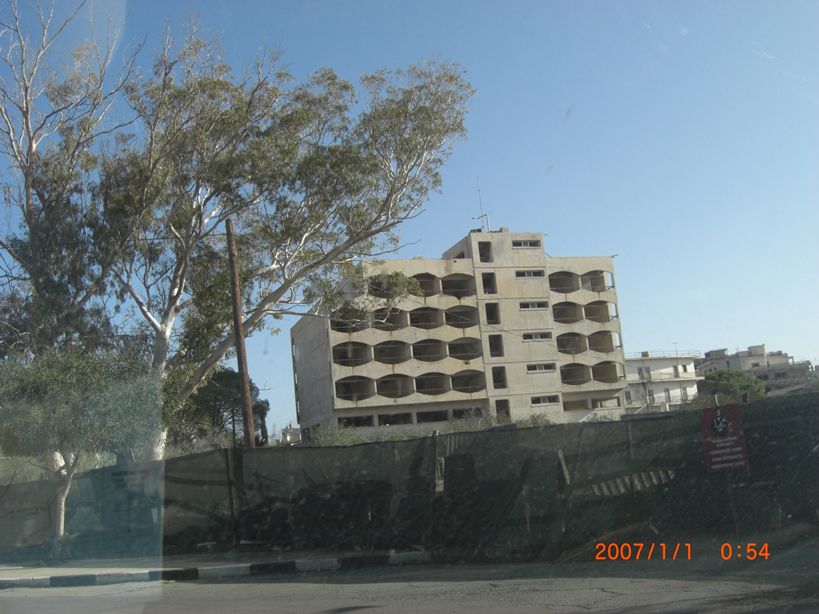 Derelict Hotel Varosha Derelict Hotel Varosha |
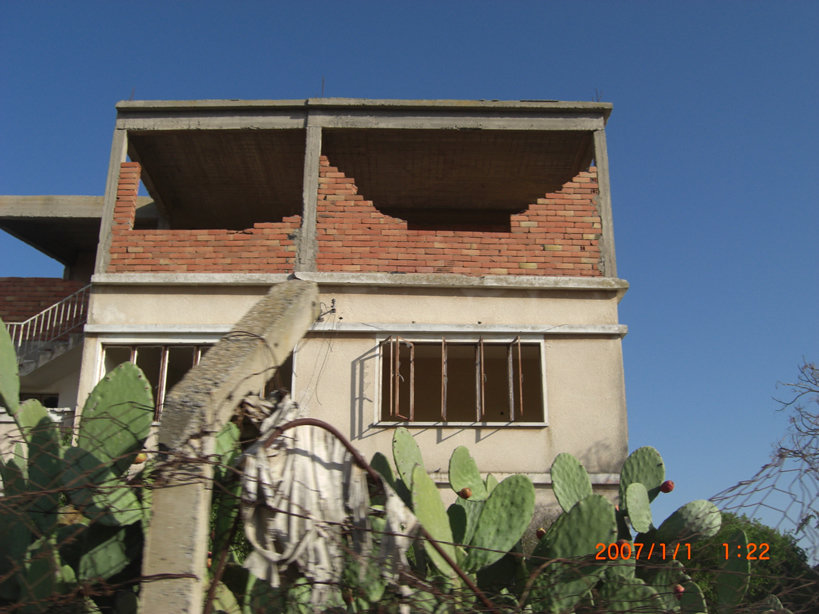 Old Building Varosha Old Building Varosha |
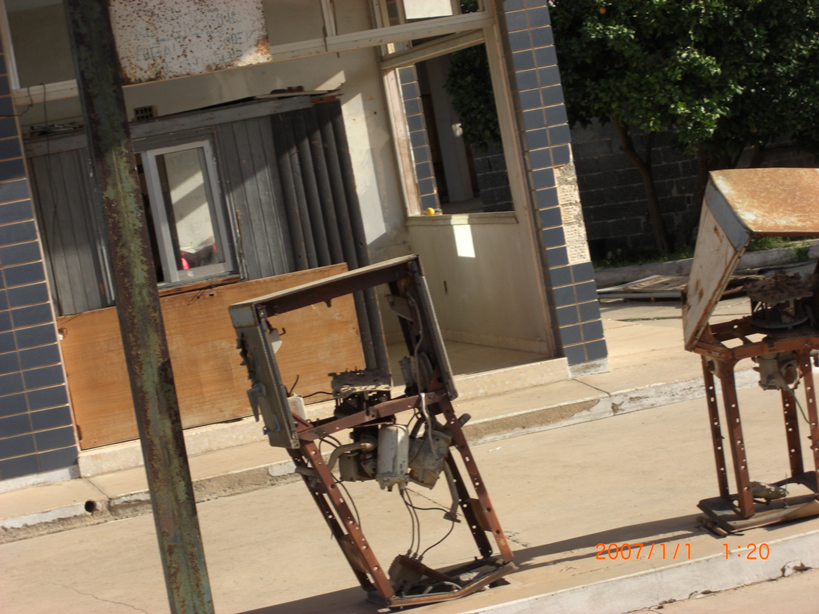 Derelict Petrol Station Cyprus Derelict Petrol Station Cyprus |
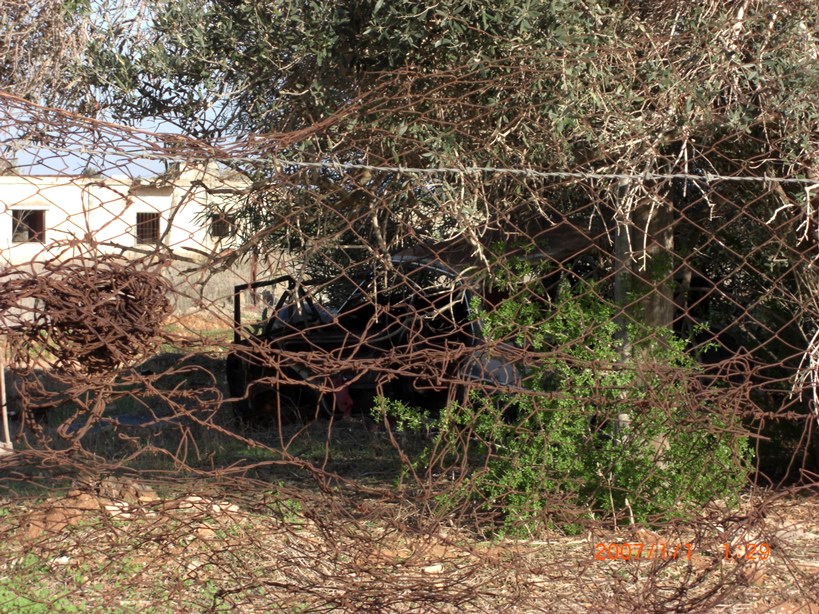 Old Car Varosha Famagust Ghost Town Old Car Varosha Famagust Ghost Town |
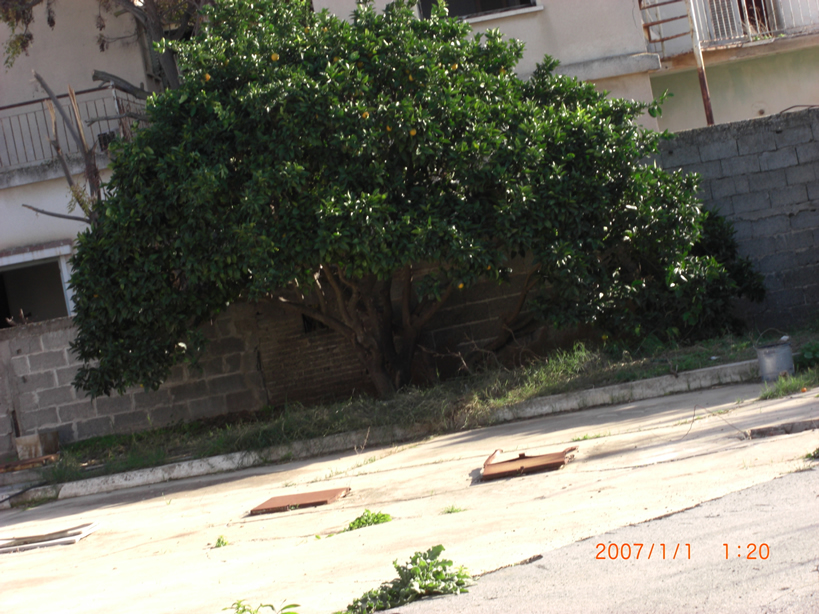 Derelict Petrol Station Famagusta 1 Derelict Petrol Station Famagusta 1 |
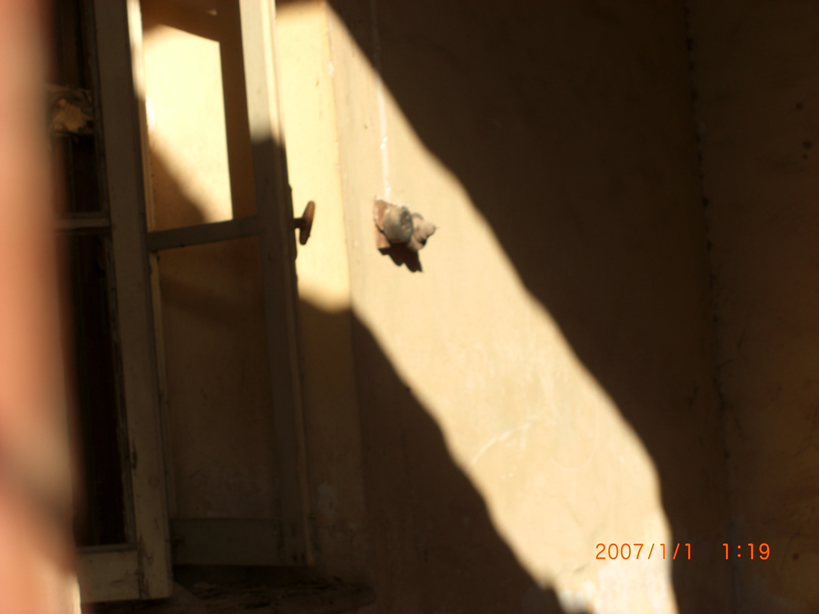 Old Electric Switch Old Electric Switch |
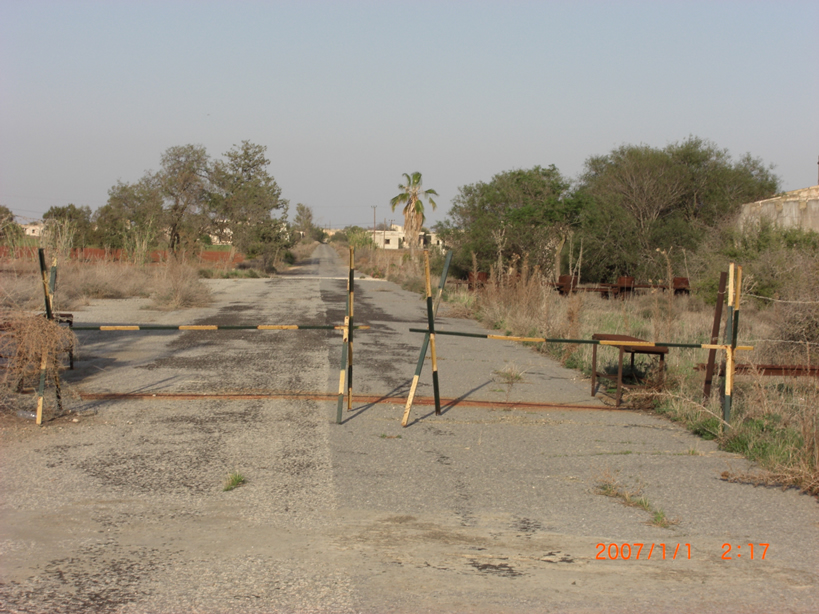 Entry to Fort Bravo Entry to Fort Bravo |
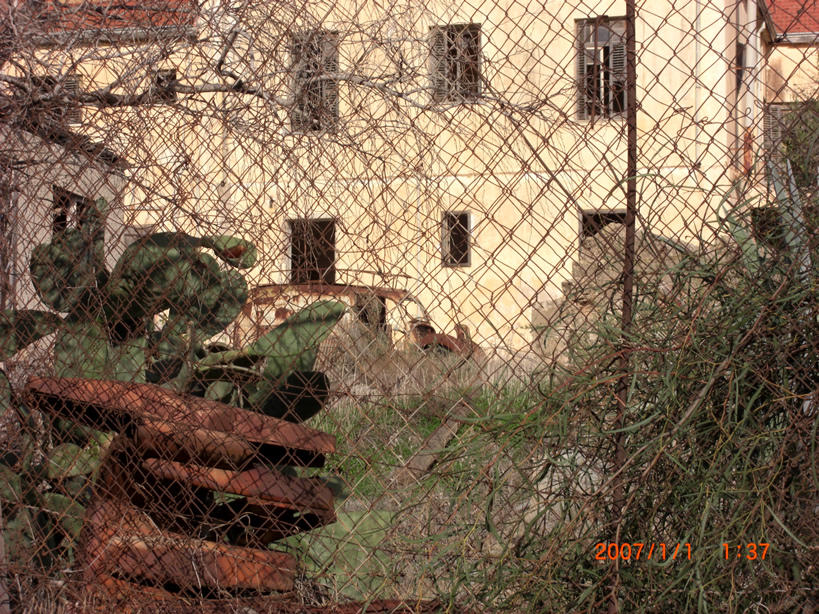 Old Van Inside Fence Old Van Inside Fence |
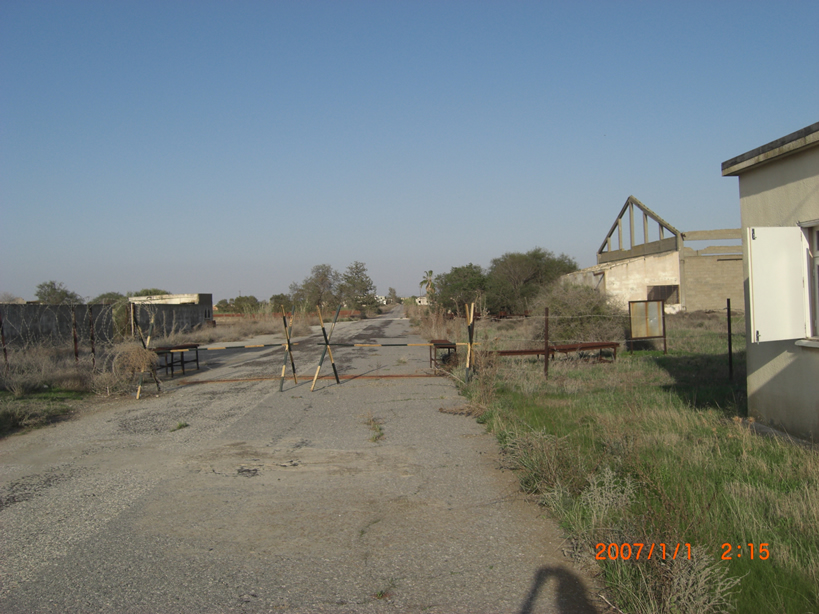 Entry to Fort Bravo Cyprus Entry to Fort Bravo Cyprus |
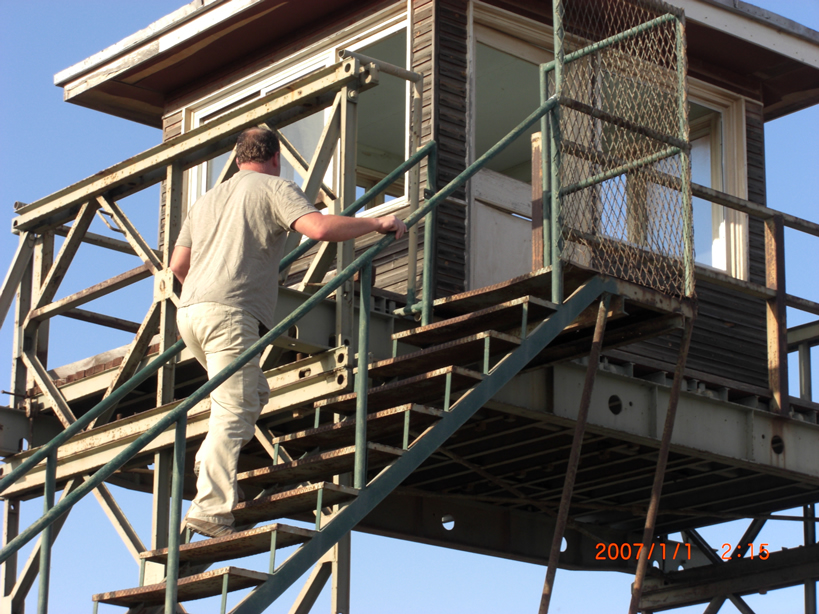 On the way to lookout tower On the way to lookout tower |
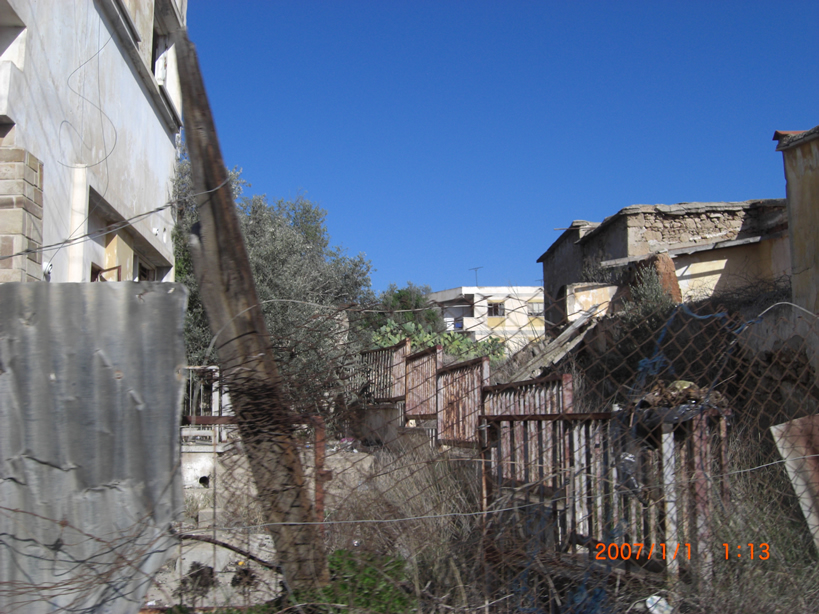 Famagusta Ghost Town Building 2 Famagusta Ghost Town Building 2 |
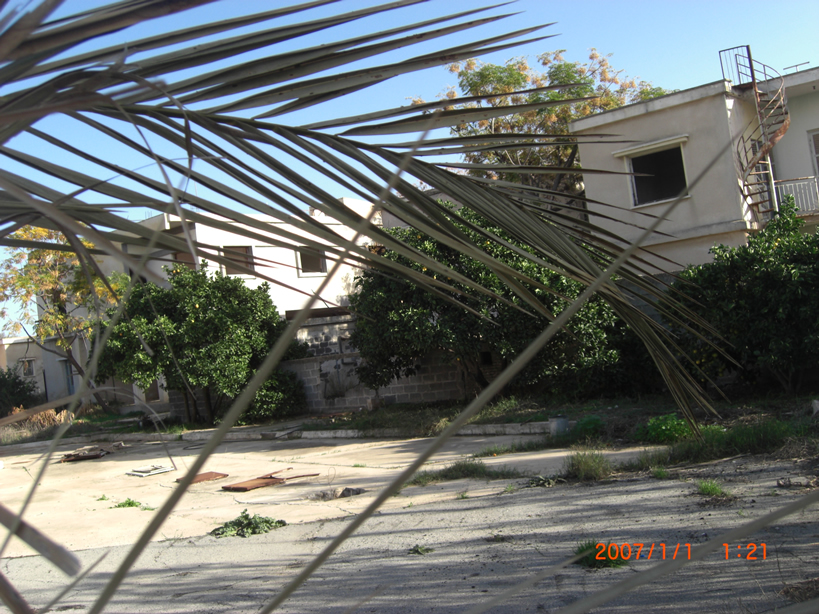 Orange Tree Varosha Ghost Town Orange Tree Varosha Ghost Town |
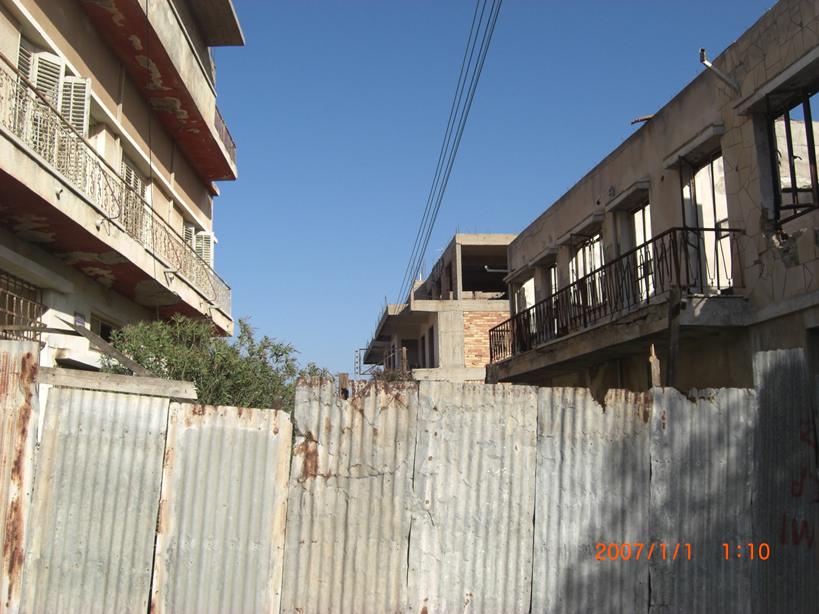 Famagusta Ghost Town Building 3 Famagusta Ghost Town Building 3 |
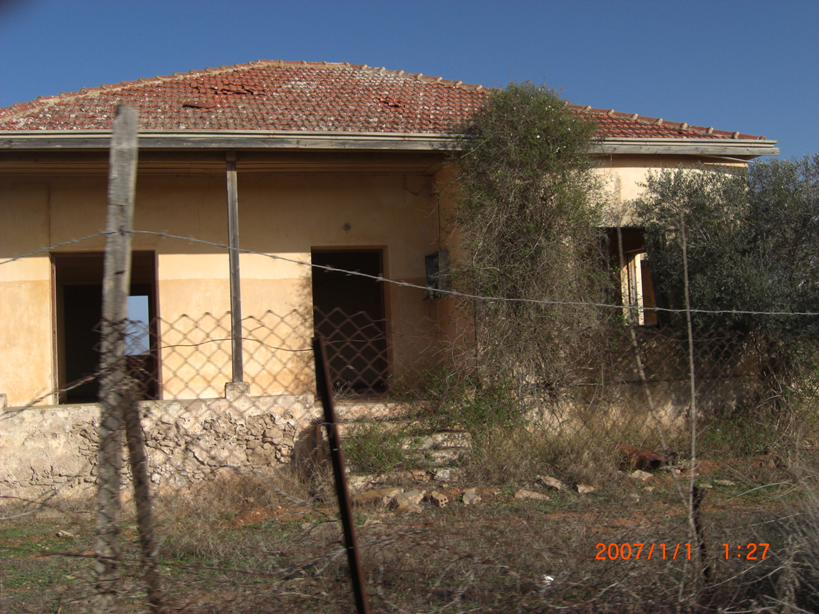 Ruins in Ghost Town Ruins in Ghost Town |
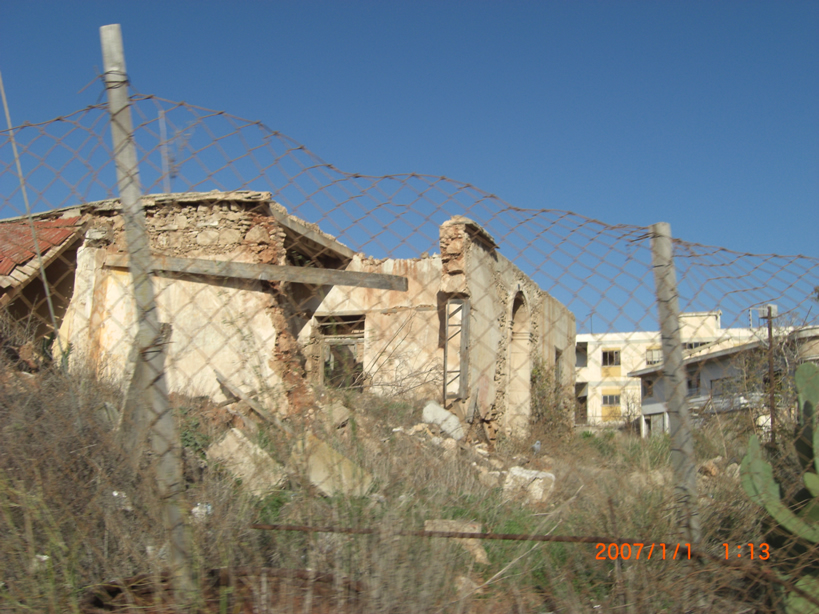 Famagusta Ghost Town Building 4 Famagusta Ghost Town Building 4 |
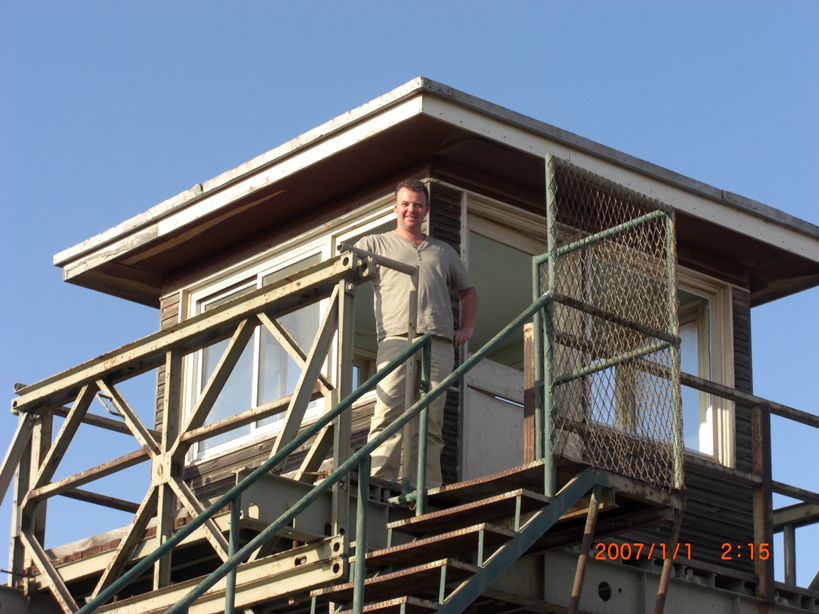 Scott on the Lookout Fort Bravo Scott on the Lookout Fort Bravo |
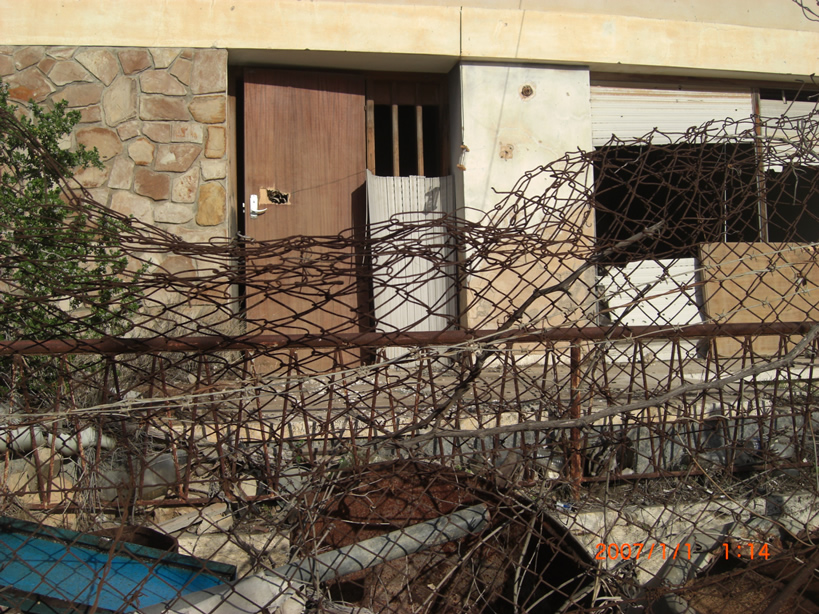 Famagusta Ghost Town Building 5 Famagusta Ghost Town Building 5 |
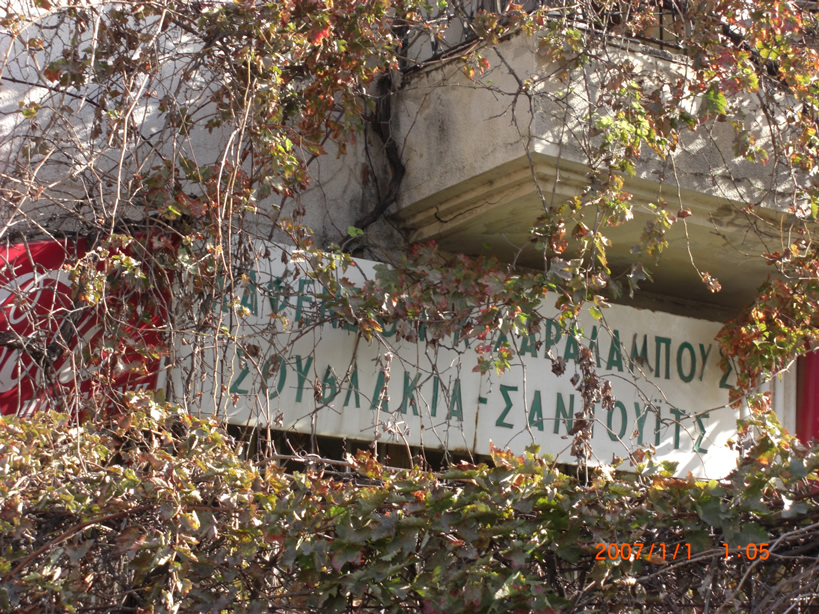 Street Sign Famagust Ghost Town Street Sign Famagust Ghost Town |
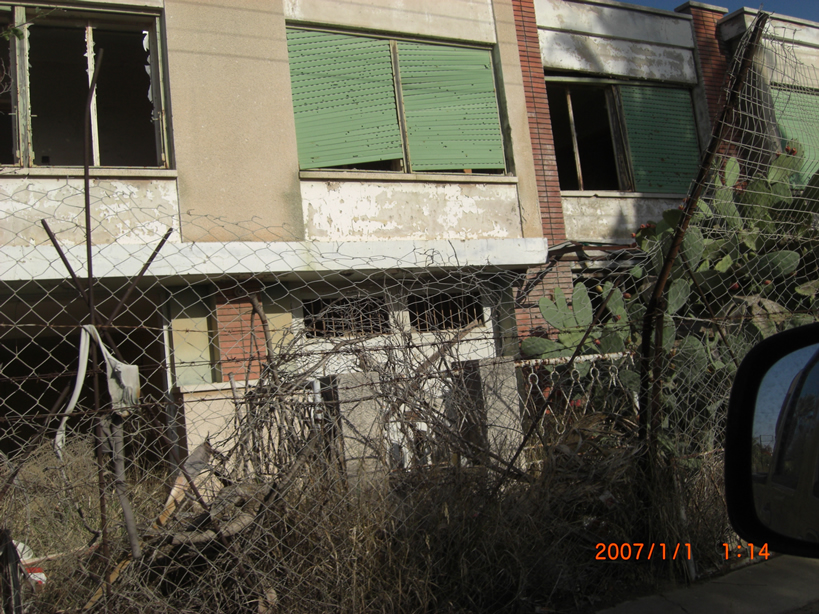 Famagusta Ghost Town Building 6 Famagusta Ghost Town Building 6 |
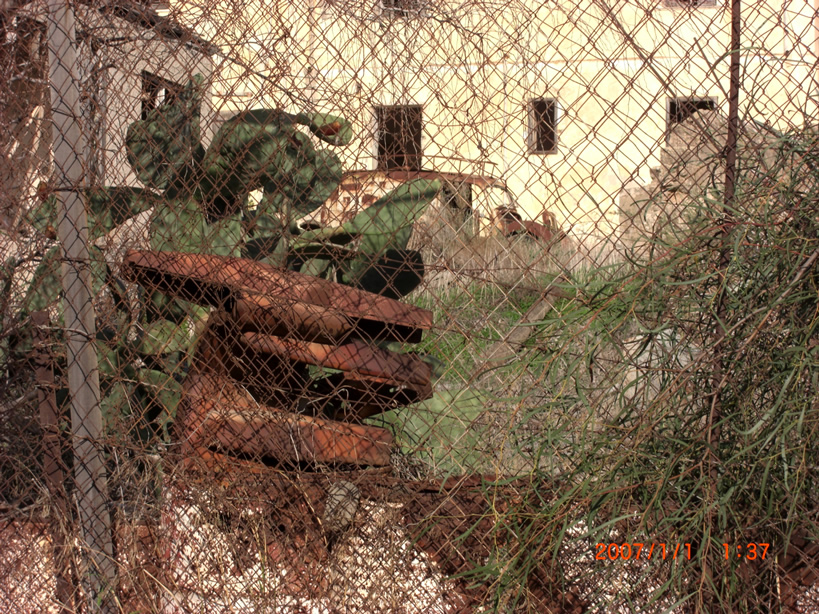 Van Behind Fence Varosha Van Behind Fence Varosha |
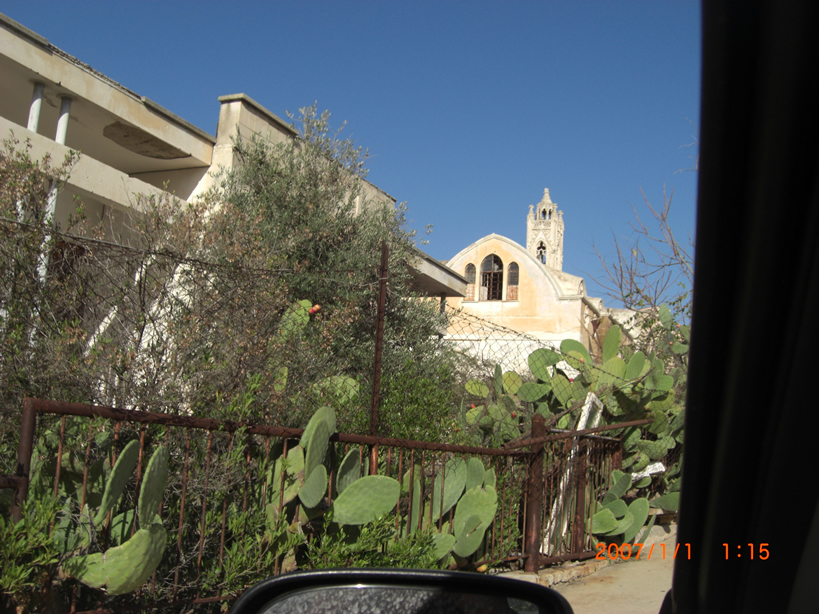 Famagusta Ghost Town Building 7 Famagusta Ghost Town Building 7 |
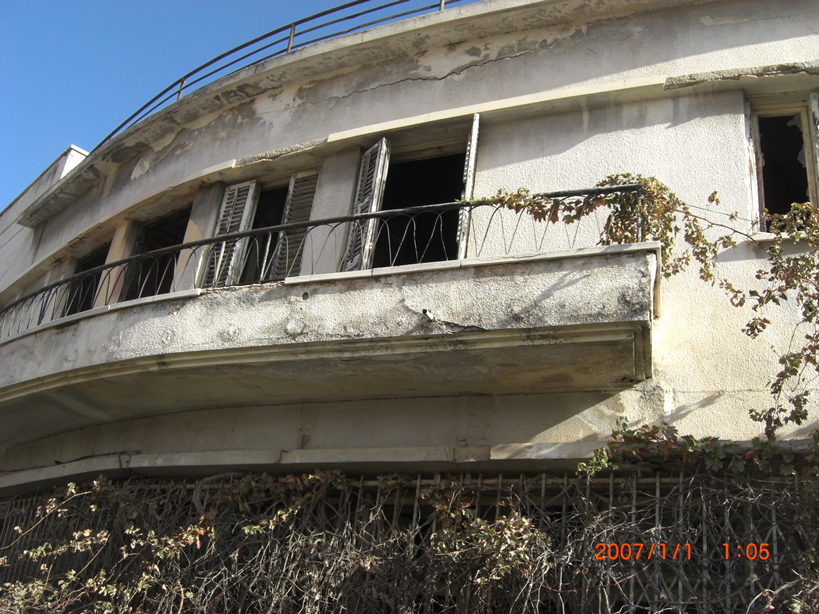 Varosha Ghost Town Building 1 Varosha Ghost Town Building 1 |
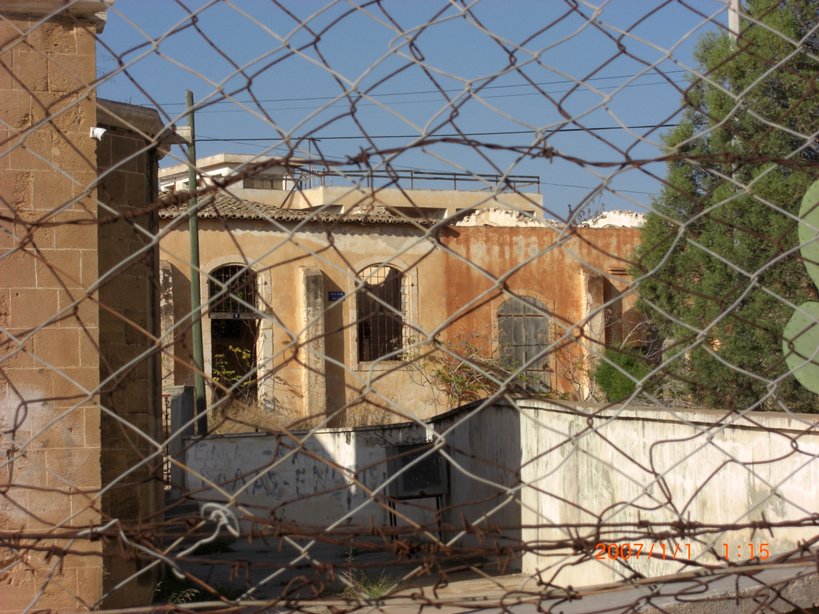 Famagusta Ghost Town Building 8 Famagusta Ghost Town Building 8 |
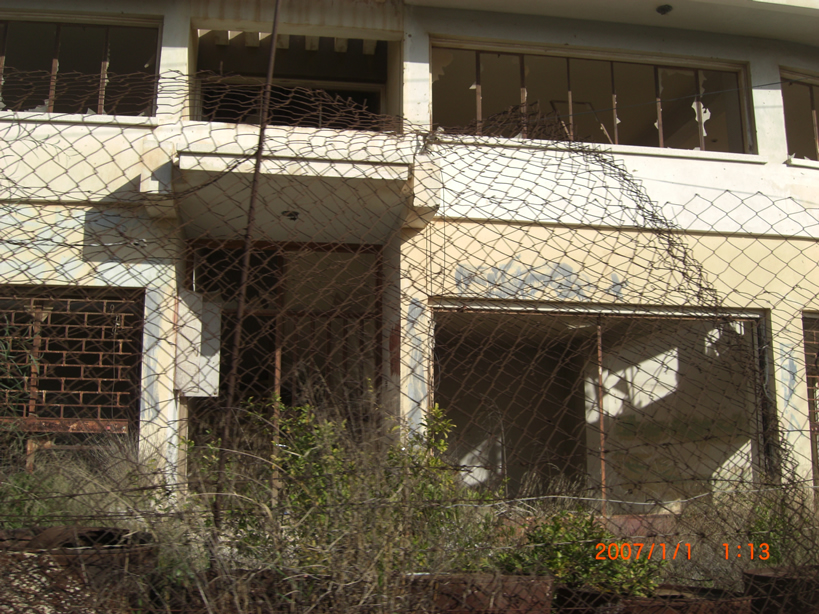 Varosha Ghost Town Building 4 Varosha Ghost Town Building 4 |
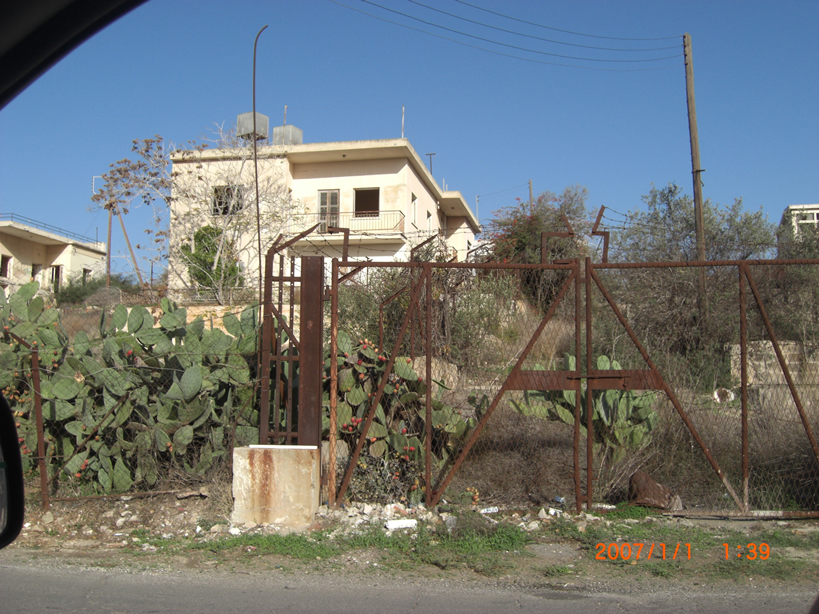 Famagusta Ghost Town Building 9 Famagusta Ghost Town Building 9 |
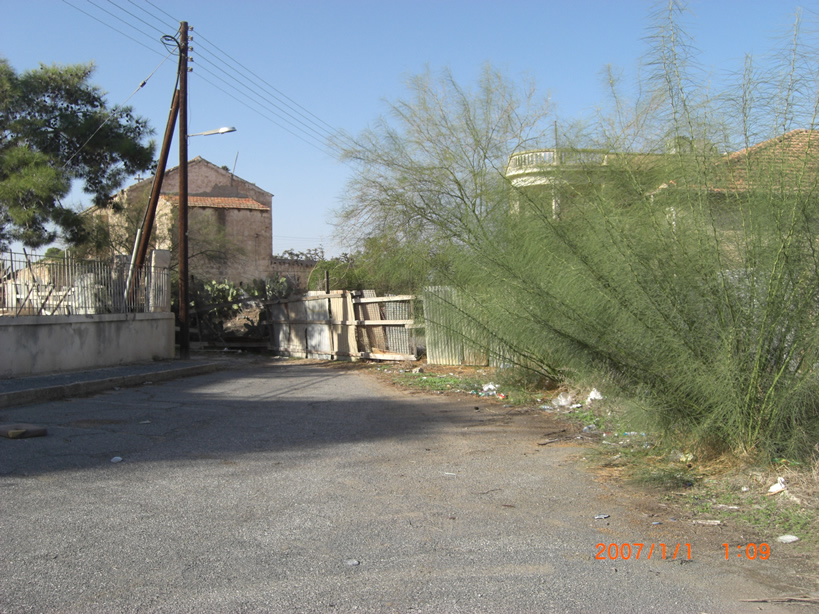 Varosha Ghost Town Building 5 Varosha Ghost Town Building 5 |
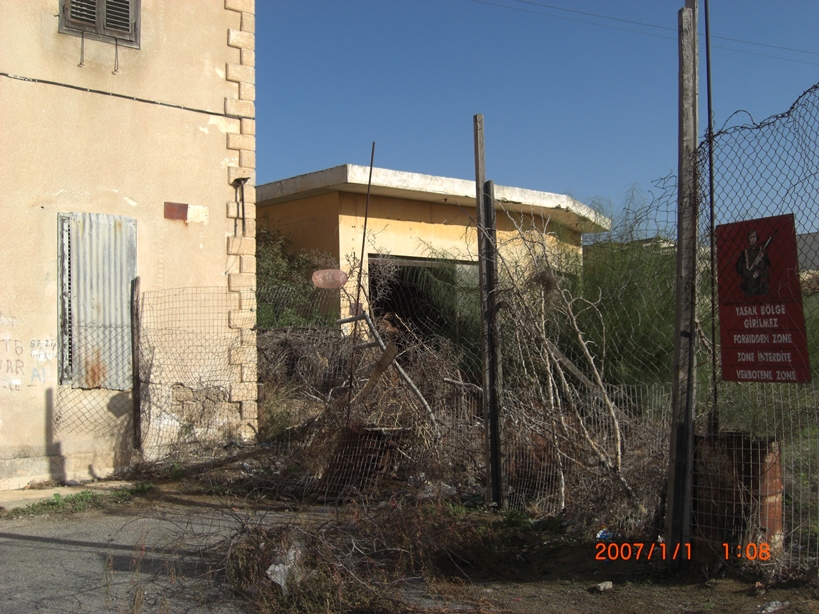 Famagust Ghost Town 1 Famagust Ghost Town 1 |
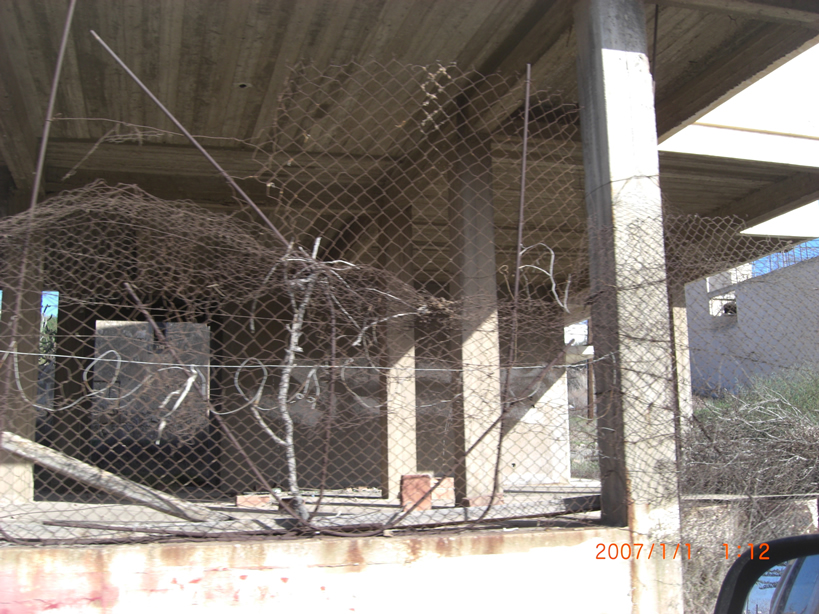 Varosha Ghost Town Building 6 Varosha Ghost Town Building 6 |
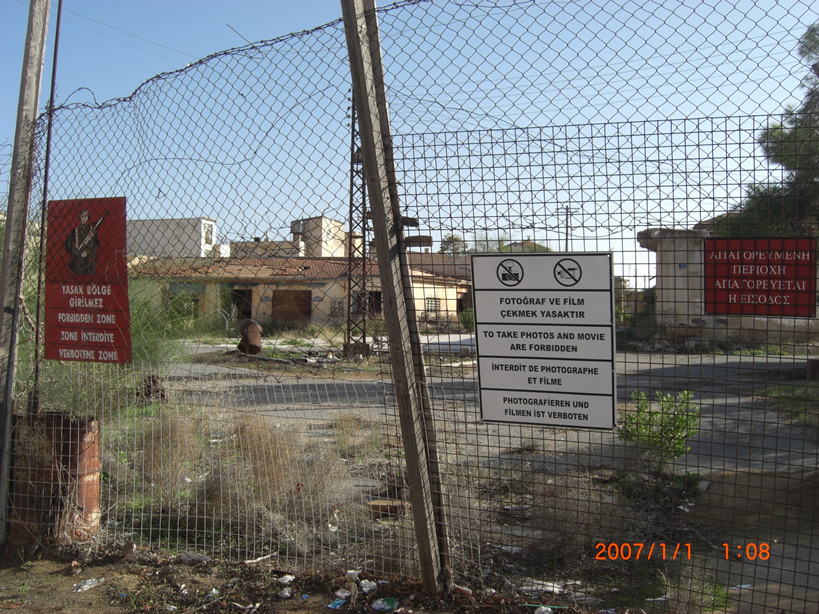 Fence Warning Cyprus Ghost Town Fence Warning Cyprus Ghost Town |
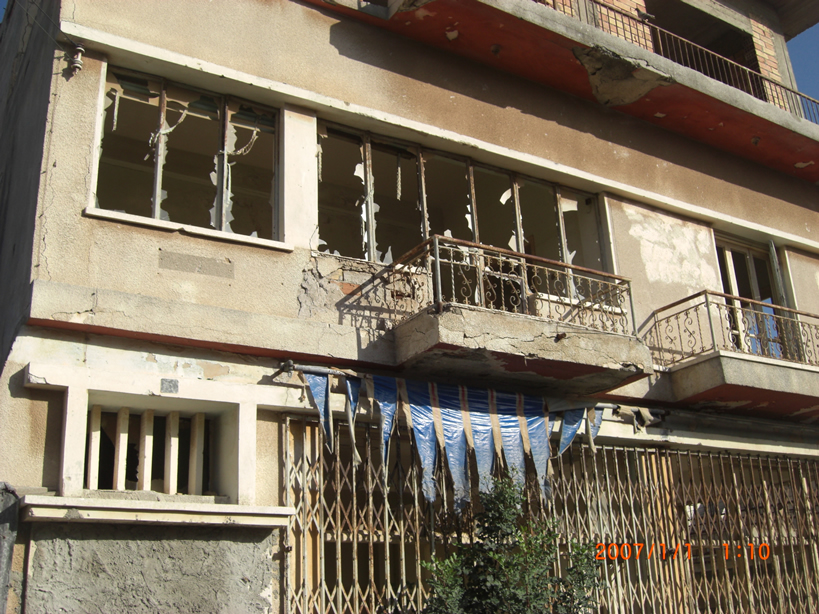 Varosha Shost Town Building 2 Varosha Shost Town Building 2 |
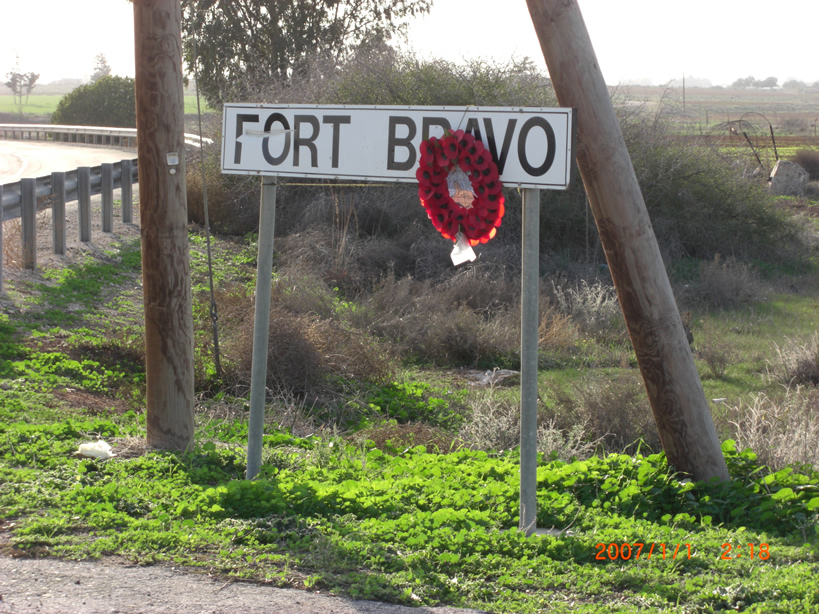 Fort Bravo Road Sign Cyprus Fort Bravo Road Sign Cyprus |
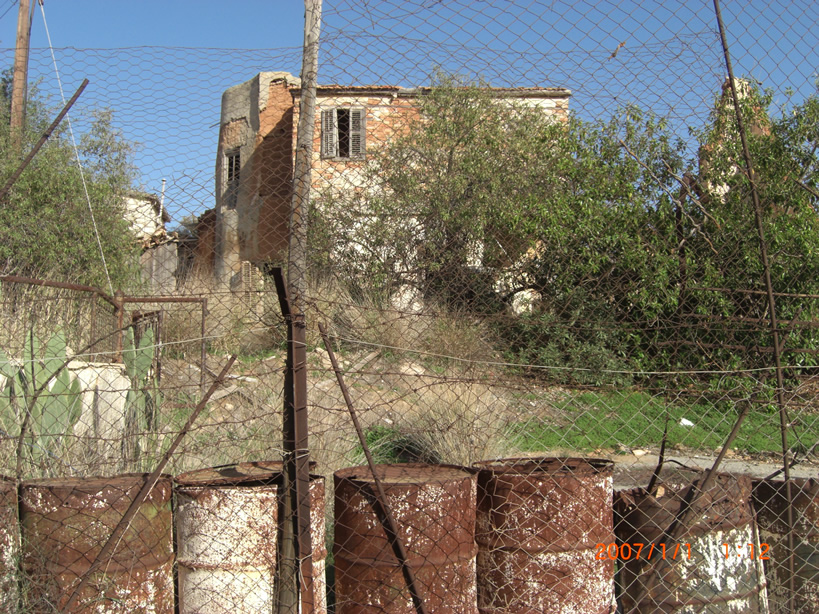 Varosha Shost Town Building 3 Varosha Shost Town Building 3 |
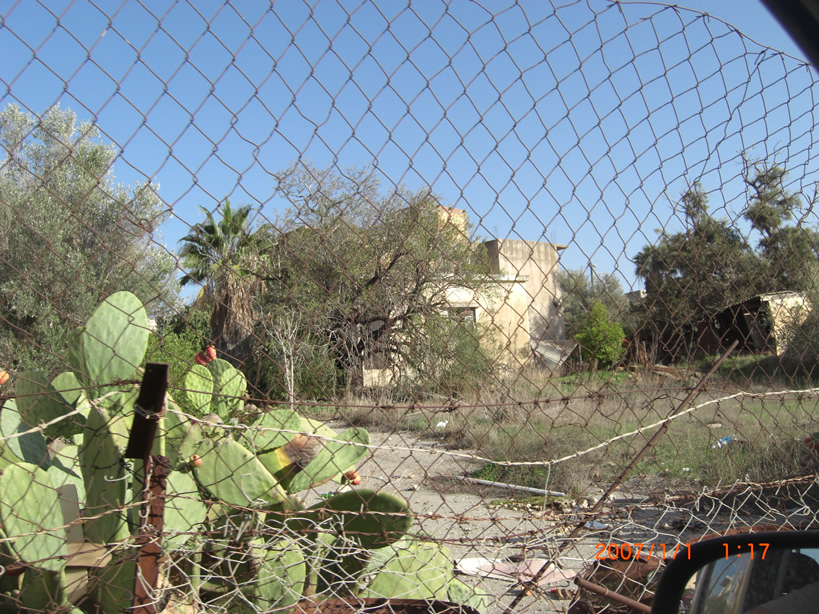 Ghost Town In Cyprus Ghost Town In Cyprus |
|