Guide to The Costa Brava
The Costa Brava, or rugged coast, is in the north eastern Catalonia region of Spain.
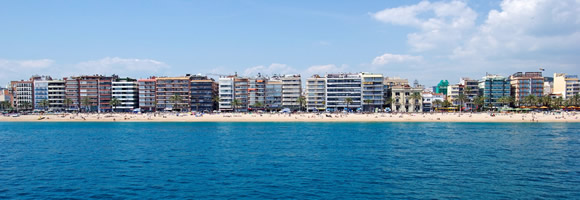
Although some of the beaches are made up of rocks and pebbles there are comfortable sandy beaches on the Costa Brava and of course the weather is as good as to be expected in this part of Spain. The Costa Brava is made up of many different resorts which have everything that the tourist could need including restaurants, supermarkets, hotels, apartments, bars, nightclubs, water sports and other activities on offer.
Among them is Lloret de Mar which is the largest of the Costa Brava resorts. Car hire Lloret de Mar is the easiest way to get to the resort from the nearby airport of Girona. Girona airport is an attractive option for travellers who are on a budget as it is possible to get quite a few low cost flights there. These include deals with Ryanair and Wizzair.
Car hire Lloret de Mar gives you the freedom to leave the resort at your leisure and explore other interesting parts of the Costa Brava such as Girona. If you are not looking for the young and trendy kind of holiday which Lloret de Mar offers, you can also pick up your rental vehicle at Girona. However, you may wish to see the city’s best sites on foot. The narrow winding streets of Girona’s old town are extremely atmospheric and you can stop into some of Girona’s churches or the Arab baths in the centre of the city. Be sure to see Girona’s old Jewish quarter while a good way to take a tour of the city is to walk around the ancient walls which surround it.
Car hire Girona lets you enjoy one of Spain’s most pretty cities at your own pace. If you want to get out of Girona for a while there are some good golf courses nearby where you can enjoy a game while topping up your tan. Having a car in Girona also means that you can drive to the incredible city of Barcelona whenever you want to. Barcelona is characterised by the fabulous architecture of Gaudi and is one of the sexiest cities in Europe with incredible, art, sport, music, fashion and culture wherever you look. Other places worth seeing on the Costa Brava are the quaint fishing town of Calella de Palafrugal and the seaside resort of Tossa del Mar.
Top Car Hire Locations in Spain
See all
Spain Car Hire Locations from Rhino
Useful Link